When Silverleaf Investments Pty Ltd was formed in late 2020, it seemed like the perfect moment to back a brand-new industry. Canada had gone fully legal, U.S. states were steadily following suit, and South Africa was expected to roll out detailed legislation within two years. The South African Health Products Regulatory Authority (SAHPRA) had already issued a handful of medical cannabis licenses, fueling optimism across the sector.
"There was a real buzz," recalls Darryl Weisz, co-founder of Silverleaf, the country's first cannabis-focused investment fund. "Market research highlighted South Africa's ideal climate, unique landraces, and export potential. We believed rapid growth would follow once legislation was finalized."
But the legislation never materialized. Instead, COVID-19 hit, timelines slipped, and cannabis businesses in South Africa have been stuck in limbo ever since.
Early fundraising success
Silverleaf initially raised capital in a market that showed great interest, packaging the fund with a government tax incentive. Investors were attracted to a new asset class gaining global momentum. The real challenge came later: finding legal businesses worth backing.
Cannabis has long been part of South Africa's cultural and medicinal traditions. Yet the formal medical market requires heavy investment and strict compliance, while the thriving illicit market continues to dominate.
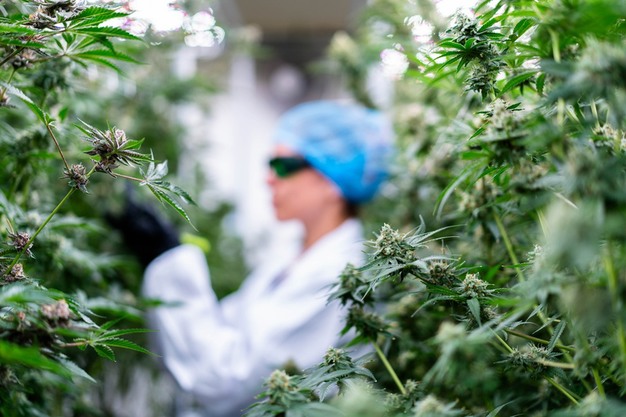
"We had a very small target list," Darryl explains. "Authorities issued many cultivation licenses, but very few companies could actually meet international export standards, which seem to get more & more stringent over time ."
 © Olesia Chikova | Dreamstime
Exporting: easier said than done
Silverleaf's first investment was in a farm transitioning from legacy production to medical cultivation, run by traditional healers. "We were excited," Darryl says. "We bought one of their tunnels, set up a joint venture, and thought this could be a model for the future."
Four years later, the farm has yet to export meaningful volumes. "The standards required by European, American, and Australasian markets kept getting more onerous, and very few licensed operators managed to clear the export hurdle," he notes.
The firm's second investment, a specialized testing laboratory intended to serve licensed producers, fared no better. "It took more than a year just to secure the necessary licensing. Once we had it, we believed the business would thrive because every licensed grower needed these services. But stalled legislation has stunted the growth of testing labs too."
Today, Darryl estimates that out of dozens of SAHPRA license holders, perhaps only 20 export product regularly. "And the majority of those who can't are evidently selling into the grey market just to stay afloat."
A thriving illicit market
Meanwhile, the local market tells a very different story. Cannabis clubs and retail shops have proliferated, operating in what Darryl bluntly calls "a relationship economy."
"The biggest problem in South Africa's cannabis industry is that the most profitable players all operate illegally," he says. "In Europe, if you open a cannabis shop you'll be shut down quickly, except in a few markets. Here in South Africa, you 'make an arrangement' with the authorities, not a legal one, but one that allows you to keep trading. It's a common practice."
The result is a thriving parallel market that soaks up domestic demand, while many licensed medical cannabis producers, who invested heavily to meet global standards, struggle to see any returns.
Arrested development
Since 2018, the promised comprehensive cannabis legislation has gone nowhere. Cabinet reshuffles, bureaucratic turnover, and sluggish policymaking have left investors and entrepreneurs waiting.
"There's been a revolving door at government level," Darryl says. "The pace is very slow, and people have become cynical."
Silverleaf's early bet on a fast-moving South African cannabis industry has proven costly. "We were naïve," Darryl admits. "With only a handful of cultivators exporting successfully, our investments in a farm and a testing lab have been extremely frustrating for us and our investors."
Waiting for better times
Silverleaf's most recent cannabis investment, in a cannabis-infused seltzer water brand, was also fraught with challenges. The company launched the product in California, where Delta-9-based edibles and beverages were showing strong growth. But just as the seltzer hit the market, the California governor signed emergency regulations banning certain hemp products outright.
The lesson has stuck. "We won't invest in cannabis businesses unless we know that it ticks all the legal boxes and is showing real organic growth," Darryl says. "At the moment, all the success is going to the illegal operators."
The untapped opportunity
For a country with favorable climate conditions, unique landrace genetics, and a ready-made domestic market, the potential remains enormous. Yet without regulatory clarity, Silverleaf's story mirrors that of the broader industry: investors remain on the sidelines, legal businesses are stuck, and the illicit market continues to cash in.
For more information: © Silverleaf
Silverleaf
silverleafinvestments.co.za